

Solar modules

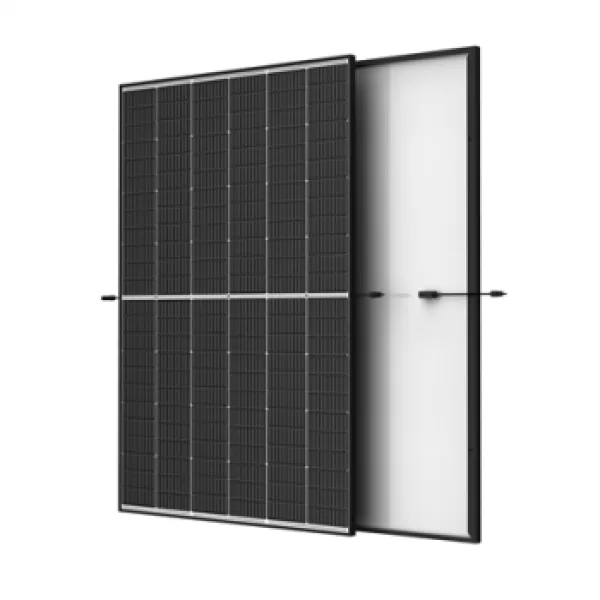
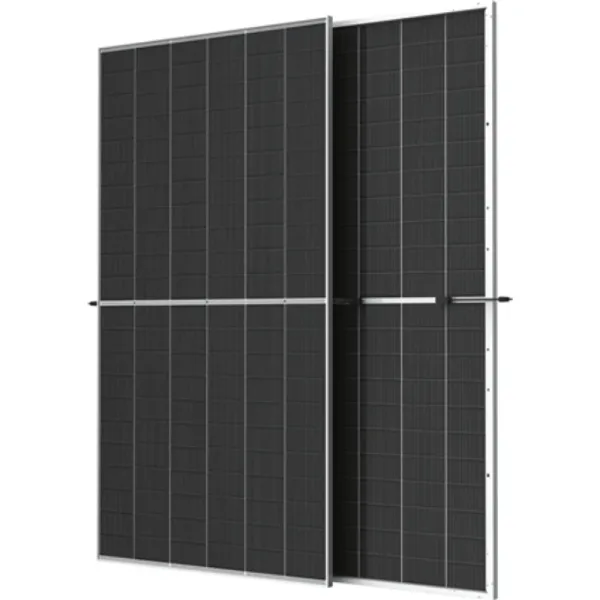
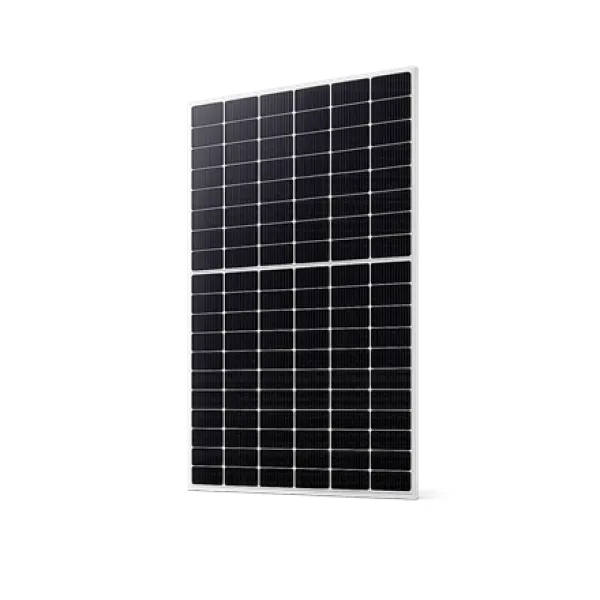
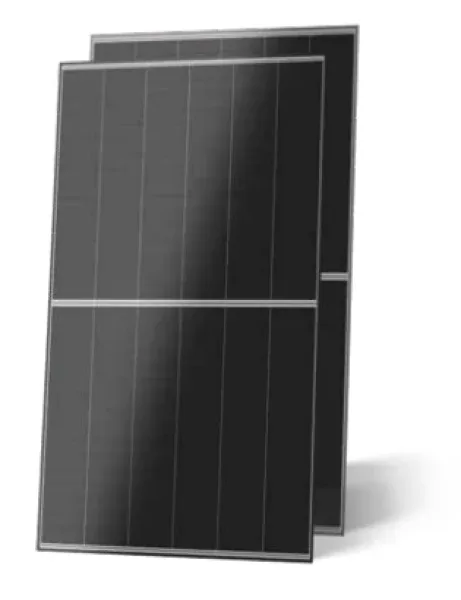

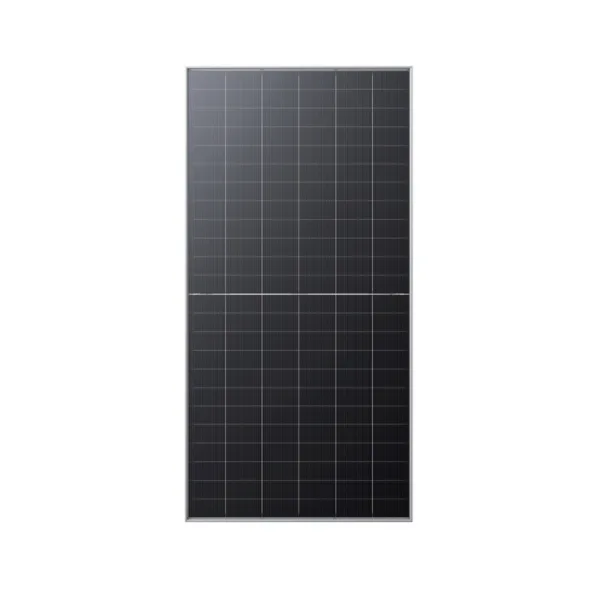
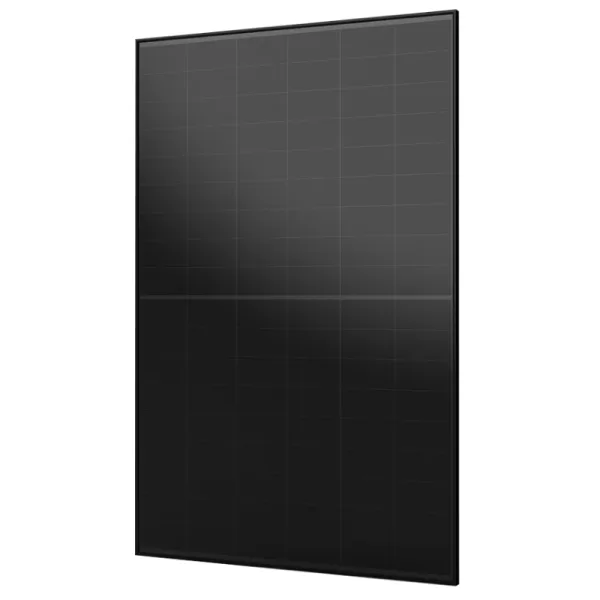


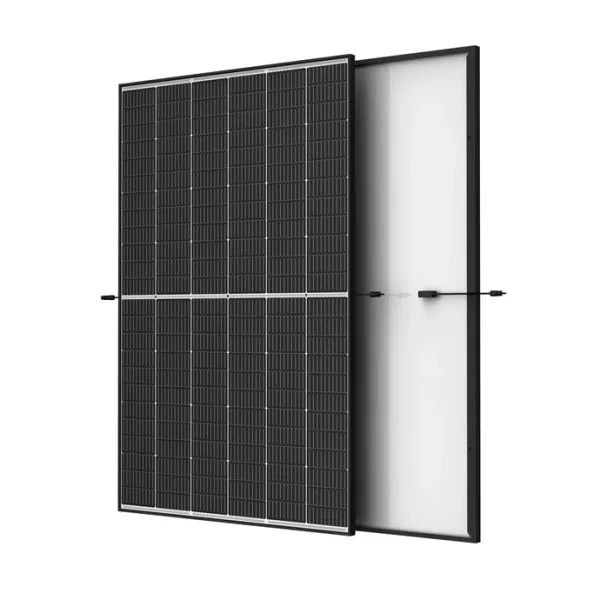

Solar modules are the foundation of future energy, allowing every household or business to become independent from constantly rising electricity prices. As the world rapidly transitions to renewable energy sources, solar energy is becoming one of the most accessible and efficient ways to generate clean electricity right on your roof or yard. By installing a solar power plant, you can produce most (and sometimes all) of your electricity consumption yourself – this means significantly lower bills, and the investment usually pays off within a few years, subsequently generating net savings for decades.
What are solar panels? A solar panel (photovoltaic module) is a device consisting of many interconnected solar cells (usually silicon-based) that absorb sunlight and convert it directly into electricity through the photovoltaic effect. This direct current (DC) is then converted by an inverter into alternating current (AC), suitable for household use or feeding into the power grid. Modern panels feature increasingly high efficiency, a long service life (25–30 year warranty) and resistance to various weather conditions.
How are solar panels installed? Installation depends on the location and type of system:
· On the roof – the most common choice for residential buildings. Panels are fixed with special mounting structures to tiled, tin, or flat roofs, orienting them to the south for optimal sunlight collection.
· On the ground – suitable when there is enough free space; allows for easier selection of the ideal angle and direction.
· On carports or structures – an increasingly popular solution that combines the protection of a carport or other structure with electricity generation.
Are solar modules suitable for Northern European conditions? Yes – contrary to popular belief, solar panels do not require constant hot sun. Modern modules efficiently generate electricity even under cloudy skies, as they use both direct and diffused sunlight. The number of sunny hours per year is sufficient to make a solar power plant an economically viable investment – especially during the spring and summer months, when consumption and generation often align. Furthermore, low temperatures actually increase panel efficiency, and snow usually slides off a sloped roof quickly.
In summary, it can be safely said that solar modules are not a short-term trend, but a long-term and reliable investment that allows you to save money, contribute to a cleaner environment, and secure energy independence even in the Northern European climate.